Dear Diary,
As I sit here in our quiet apartment in Milan, years later, I find myself turning over the fragments of our past like worn pages in an old book, wondering how we ever navigated such storms without losing ourselves entirely. It feels almost unreal now, but the weight of those days still lingers in my reflections. Everything shifted when those endless arguments became the norm. One evening, Matteo and I were climbing the stairs in our building when mamma’s voice cut through the air from behind a door: “What’s wrong with you this time?! How much longer must this go on?! I’ve had enough of it all!” The sound carried through the entire entrance, and we stopped dead, as if hitting an invisible barrier. Our eyes locked for a brief moment, and in that silent exchange, we understood without words that it was better to turn away. We exhaled in unison and headed off, knowing we wouldn’t return home that night.
No one wants to spend an evening listening to parents clash endlessly. We strode toward the neighboring building where nonna Rosa lived, her place having become our refuge in recent times. What once were occasional weekend visits had turned into near-nightly escapes. The air at home had grown toxic long ago. Mamma and papà seemed to forget the world around them, shouting without pause. What made it worse was their increasing efforts to pull us into the fray. Mamma would whirl toward me, demanding to know if she was right. Papà would press Matteo for confirmation without waiting. We stayed quiet, unwilling to pick sides or fuel the endless conflict. All we craved was stillness, calm, and comfortthe kind we discovered with nonna.
These episodes repeated like a scratched record no one dared to lift the needle. We grew skilled at spotting the warning signs: the edge in a voice, the abrupt gestures, the way they glanced at each other. Any conversation could erupt into a shouting match in seconds. What child thrives in such unrelenting strain? We puzzled over what had sparked this family breakdown. Our home was never flawless like something from an advertisement, yet before, they knew how to resolve differences. Spats occurred, of course, but they faded into measured talks. Mamma might frown, papà raise his voice a notch, yet within half an hour, peace returned. We would gather at the table, sip coffee, and map out weekend plans.
Roughly two years earlier, it all transformed, as if our parents had been quietly replaced by versions who found fault in the smallest details. A cup left on the table? A lengthy speech on neglect and disrespect. A shirt hung on the wrong hook? Sharp remarks about household order. A spoon forgotten in the sink? Treated as an offense warranting endless scrutiny. One evening at nonna’s, I sat stirring my herbal tea, watching the liquid swirl, before asking with a pang of hurt what had changed after their shared holiday.
Nonna Rosa paused, set her cup aside, and traced a gentle hand along my arm. She guessed at the roots of the rift but took no joy in those thoughts. “Adults will work it through,” she replied softly, her tone steady. “People sometimes need space to decide the right path forward.” I nodded, sensing she held something back, yet I didn’t press. What use in insisting when they still viewed us as children, unworthy of the heavier truths?
“We can’t endure these outbursts anymore!” Matteo burst out in frustration. “Homework becomes impossible, reading a book feels out of reach. I can’t recall the last family meal together. If being together is this painful, they should separateit would ease things for us all!” The words spilled freely, carrying the raw truth of recent months. He voiced what we both felt deeply. Silence had vanished from our home long since.
Nonna set aside her sewing and studied him closely, shaking her head slowly. “Have you considered what divorce would mean? You two would be divided. Are you prepared to live apart from Giulia?” “We’ll stay here with you!” I interjected, meeting her gaze with pleading eyes. “We already spend nearly all our time here anyway. You wouldn’t mind, would you?”
She remained still for a moment, grasping our exhaustion and the toll of constant clashes. On one side, she saw the safety we would gain in her steady, welcoming space, where lessons could be done without interruptions and books read in quiet. Her affection for us ran deep, and she stood ready to envelop us in care. Yet on the other, questions loomed about our parentshow to explain our desire to leave home, whether they would accept it, and what it might do to their bonds with us. Could this choice lead to a complete break?
“Let’s not decide in haste,” she said after a heavy breath. “You know I’m always glad to have you here. But first, we should speak with mamma and papà. Perhaps together we can find a way to mend things.” “Don’t worry, we’ll handle the talk ourselves,” I declared with a hopeful smile, sensing she was nearly on our side, which felt like everything in that moment. “Just don’t turn us away! We truly can’t remain there any longer. It would suit them better apartotherwise, they might truly harm one another someday! I saw papà lift his hand toward mamma yesterday… He didn’t strike her, I swear! But he came close.”
I grew quiet, the memory flooding back. I had entered the kitchen for water and halted in the doorway: papà stood angled toward mamma, his arm snapping upward, while she instinctively lowered her head. He dropped it seconds later, yet that instant stretched endlessly for me. “Nonna, please agree!” Matteo urged, stepping nearer and clasping her hand as if to anchor her decision. “We’ll assist with every household task. Just don’t send us back there. They barely notice us! Yesterday I mentioned the parent-teacher meeting to papà. Know his reply? ‘Ask mamma!’ So I did. Can you guess what she said?”
“Go to papà?” nonna asked quietly, already anticipating. “Precisely!” Matteo replied with a bitter laugh. “Then they debated for two hours over who would attend. They stayed in separate rooms, yelling across the hallway while I stood listening.” “I needed a signature for a museum excursion,” I added, eyes downcast as my fingers twisted my sleeve edge. “Now I’m the only one in class missing out. Neither signed the form. Instead, they argued once moremamma insisted it was papà’s responsibility, while he claimed she should manage school matters.”
Nonna regarded us and recognized the depth of our weariness. This was no fleeting childhood fatigue but something built over months, where family warmth had yielded to perpetual disputes and indifference replaced support. “It happens every time,” Matteo murmured, shoulders drooping, his voice heavy as if repeating it endlessly. “Any approach from us sparks fresh arguments. We dread going home. A couple of nights ago we arrived past elevenno scolding, just straight to bed without questions about our whereabouts. Later they accused each other of poor parenting.”
We sighed in tandem once more. Lately we had weighed divorce as the sole escape, yet the prospect of separation terrified usone with mamma, the other with papà, our closeness reduced to occasional weekend visits. We whispered options in our room at night. Matteo once joked about fleeing with backpacks, smiling to ease the tension, but I seized on the idea earnestly. “What if we actually left, even briefly?” In that instant we grasped how unbearable things had grown, making even escape seem plausible.
Then the idea struck: nonna! Why not relocate to her home? It occurred to us together, as if thinking in harmony. I voiced it first: “Let’s ask nonna to let us live here. She won’t shout or argue. We could avoid hearing those constant fights.” Matteo echoed immediately: “Yes! She’s kind and always backs us. Her apartment is spacious enough for us.” We painted mental pictures of a fresh startpeaceful mornings, quiet study time, evenings with board games alongside nonna. No yelling, no blame, no need to retreat to our room to dodge the heat.
For the first time in ages, a flicker of hope warmed us. Perhaps if parents sorted their own issues, we could finally claim some tranquility.
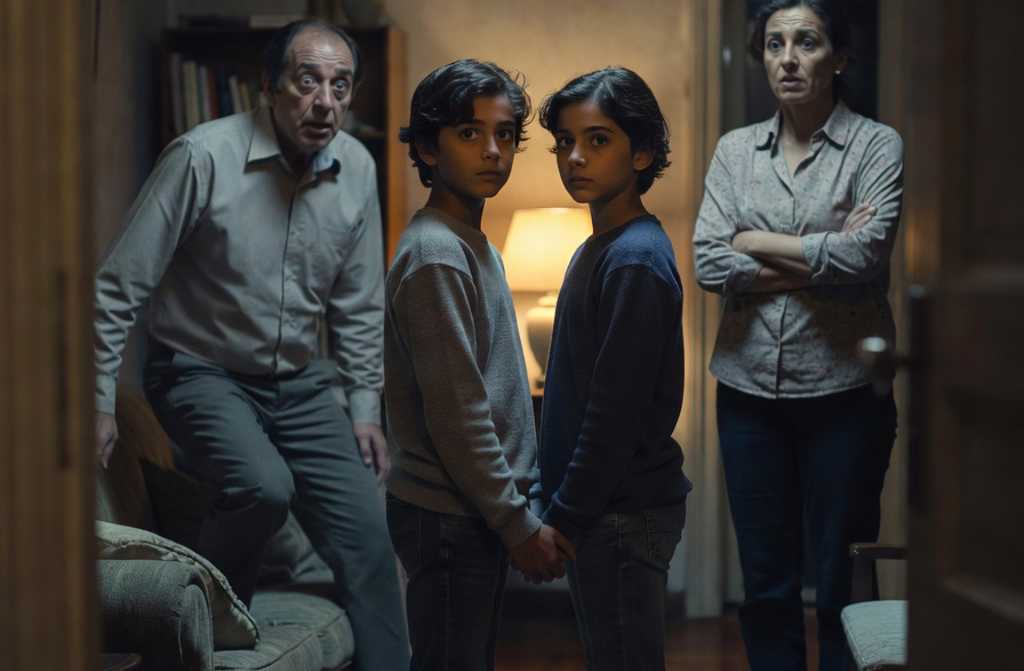
One evening we stood before them in the living room, resolved. “Mamma, papà, we need to have a serious conversation,” we stated firmly, having waited until both were present. I gripped Matteo’s hand tightly to steady myself. “But first, promise to hear us out completely before sharing your views.” Papà set down his phone, eyes widening in surprise. Mamma, sorting items on the sofa, rose abruptly, her expression one of utter astonishment.
“This is your doing!” she snapped, folding her arms. “The children are dictating terms now! As though we must answer to them!” “And who are you to speak!” papà shot back, discarding his phone. “I’m always working to provide, while you’ve been with them constantly. What have you taught them that they now issue commands?” We glanced at each other, having braced for the talk to veer into familiar accusations, yet retreat was not an option.
“Stop!” I cried, voice trembling near tears, stepping forward and striving for clarity despite the quake inside. “Matteo and I have decided you should divorce.” Silence fell instantly. Mamma stood frozen, mouth agape, as papà rose slowly from the sofa. “What news!” her tone turned menacing. “Giulia, you’re far too young to advise adults on living! And what else have you ‘decided’? Perhaps divide the apartment for us as well?”
“If you refuse to divorce, we’ll reach out to social services,” Matteo said, his hold on my hand firm for strength, though doubt flickered within him too. “Papà, that could cost you your job. Your firm frowns on scandals, doesn’t it? You’ve mentioned reputation means everything.” “And you, mamma,” I pressed, meeting her eyes directly, “neighbors will lose respect. They may stop speaking to you altogether! Everyone hears your shouting, and we’ll fill in the details.”
“They are threatening us! Just look at them!” mamma exclaimed at last, shifting her gaze between us. “These are our own children! How could you treat us this way?” “We aren’t threatening,” Matteo replied steadily. “We simply want you to see that this can’t continue. We’re exhaustedfrom the shouting, from being unheard, from requests turning into battles.”
“You will divorce and separate, while we live with nonna,” we finished together, as practiced. “This benefits everyone: calm for us, fewer conflicts for you. We refuse to remain trapped between you like in a crossfire.” They froze, at a loss for words for the first time in ages. Normally arguments would erupt, interruptions flying, blame assignedbut now both seemed struck dumb.
Our thirteen-year-old selves acted in ways they never anticipated! We stood side by side, hands linked, facing them with resolve instead of the usual hesitation. We addressed matters they, as adults, preferred to avoid. They had pondered divorce themselves but always circled back to the same worrywho would take the children? Splitting twins felt impossible; we had always been inseparable, doing everything together and leaning on one another. They couldn’t envision us in separate homes, meeting only on weekends.
The notion of nonna’s home hadn’t crossed their minds before, perhaps because their own grievances consumed them. Hearing us now, though, they paused to consider if this offered a path. Nonna adored us, her apartment ample and inviting… Might this resolve part of the tangle? “I’ll phone mamma,” papà muttered finally, words coming with effort. “If she consents…”
He trailed off as mamma cut in sharply, fatigue lacing her voice in a way that startled even her: “Then we can cease tormenting one another. Call her. I’ll be relieved not to face you daily.” The words lingered. She hadn’t meant to sound so harsh, yet accumulated hurts over years forced them out. “And how glad I’ll be!” papà answered, masking his pain with irony. No malice colored his tone, only a wry acknowledgment of what their marriage had become. He reached for his phone and dialed nonna. During the rings, they averted their gazes, unable to meet eyes. They couldn’t foresee the outcome, yet sensed a line might have been crossed.
That day the Bianchi family reached a pivotal choice. It began with an extended discussion between papà and nonna. She listened without interruption, interjecting questions sparingly. Once he concluded, a quiet moment passed. Nonna drew a deep breath and responded: “If you both agree this serves the children best, I consent. They will be secure here, and I will look after them.” By evening the couple convened in the kitchenthe first such meeting without raised voices or recriminations. They faced each other and reviewed specifics. Step by step, they settled on divorce as the sensible resolution. We would relocate to nonna’s, with monthly transfers in euros from each to cover our needs.
Neither intended to abandon us. Both vowed to visit weekends, though on alternating days to limit their interactions. “I’ll collect them Saturday morning for an outing, you on Sunday,” papà said wearily, earning mamma’s nod. “This simplifies matters. Above all, the children must not feel discarded.” Their aim was to reduce contact and prevent fresh disputes. They committed to avoiding talk of one another around us, refraining from recruiting sides, and steering clear of arguments in our presence. “We remain their parents,” papà noted. “And we must continue as such, even without being spouses.”
Time proved the choice sound. We relaxed at last and embraced ordinary teenage rhythms. I joined an art group, a long-held wish stalled previously by constant anxiety. Matteo took up football and forged new bonds on the team. We resumed shared activities: city walks, cinema outings, school chats free from looming fights. Studies steadied too. A tranquil spot for homework emerged, free of distractions. Tasks completed without strain, grades improved swiftly. Teachers remarked on it: “You’ve grown so focused, you two! Maintain this!”
Life gradually settled into a steadier rhythmnot flawless, but reliable and serene. No more hiding in our room, no jumping at loud voices, no fretting over every move. We simply existed as teenagers should, supported through hardship.
Five years on, the Bianchis’ days unfolded evenly. Matteo and I had adapted to the pattern: classes, activities, friend gatherings, cozy nights with nonna. Parents arrived on separate days still, bearing gifts and care yet without old grievances. They had mastered restrained, courteous exchanges, free of prior anger surges. Their initial direct meeting as former spouses occurred at our school graduation. The event was formal, drawing both. They began warily, seated apart in the hall, yet the distance eased over time.
As dances commenced, papà approached mamma unexpectedly: “Shall we dance? Recall the old days.” She delayed briefly before agreeing. Afterward they lingered in the school courtyard, observing graduates celebrating near the fountain. Talk arose naturally, shifting from us to earlier times. They conversed extensively, revisiting joyful marriage moments and conducting themselves with dignity. Their words centered on the positive ties that once bound them, not lingering resentments. Watching from afar, we felt a quiet joy. Still, it pained us to witness our closest relatives regard each other nearly as adversaries.
Then came the unexpected blow. The following day they summoned us to a café. Over tea, after a shared look, they clasped hands, and papà announced with a broad grin: “Children, your mother and I have reflected and chosen to remarry. These years have shown our feelings persist! We love each other still and wish to rebuild our family.” His voice brimmed with delight, as though delivering life’s greatest tidings. Mamma glowed, anticipating delight.
We met each other’s eyes, faces clouding at once. Distrust flashed in mine while Matteo’s hands tightened beneath the table. The same error again! What occupied our parents’ minds? Could they share space without renewed clashes? “You can’t be serious,” I managed. “Completely,” papà affirmed. “We’ve both evolved. Learned to truly listen. We want another opportunity for our family.”
Silence held us. Conflicting emotions churned: a wish to trust their growth, tempered by dread of reliving past wounds. Yet we offered no discouragement. We left the declaration unaddressed, wounding them deeply. Mamma studied us, bewildered: “Aren’t you pleased? We expected happiness on our behalf.” We merely shrugged after another glance. What words fit? “Don’t do this! Don’t wreck your lives”? They lodged in our throats. Appearing unfeeling was undesirable, but feigning joy felt impossible too.
The gathering ended with strained exchanges. Parents outlined plans while we nodded politely, minds elsewhere. En route home I murmured to Matteo: “I hope they understand their actions.” He responded with only a sigh.
“So we’re heading to Rome?” I asked, opening my laptop to scan university pages. “Farther from this chaos. I can already picture how this spectacle concludes!” “We are,” Matteo replied with resolve, a maturity beyond his years in his tone. He dragged a hand through his hair, shedding the strain of prior months. “They’ll manage peace for a month, perhaps two at most. Then it restarts: shouts, slammed doors, accusations. I refuse to stay hostage to their bond. I won’t greet each morning guessing their moods and bracing for the next wave of complaints.”
He rose and paced, idly gathering books. One thought looped: why do adults, meant to model wisdom and steadiness, act like erratic youths? Why repeat the same missteps instead of addressing issues? “We must go,” he repeated by the window. Dusk settled outside, bathing the city in gentle orange hues. He gazed outward, seeking his future in the distance. “Far enough that their fights can’t touch us. Let them handle their own matters. We are no longer their counselors, go-betweens, or shields. Our lives and aspirations belong to us, and I won’t allow another cycle of their turmoil to shatter them.”
“When do we apply?” I inquired evenly. “Tomorrow,” he said without pause. “To lock it in.” I nodded, eyes fixed on the screen where Roman university sites scrolled. For a week I had pored over courses, residence options, and post-graduation prospects. My notebook held growing lists: advantages and drawbacks, required papers, timelines, admissions contacts.
“The key is focusing on studies without their disruptions,” I noted softly, concluding my thoughts. “It’s fortunate we’ll be distant.” “Precisely,” Matteo concurred, settling beside me and leaning in to review the text. “When they resume assigning blame, we won’t catch a word. Let them phone with grievances or summon us for ‘family discussions’we’re done participating. Their wish to ‘give the relationship another try’he chuckled drylyis theirs alone, not ours.”
Mamma and papà proceeded with the second wedding after all. They deliberately skipped any grand affair this time: no desire for excess spending or attention, and truthfully, no sense that something elaborate fit. They kept it to a simple ceremony at the city hall followed by a dinner with close onesnonna, a few friends, us.
Photos from the day captured genuine happiness. Smiles, held hands, tender looks passed between them. Intertwined fingers and soft glances filled the frames. It seemed past hurts had dissolved, the separation years had helped, and they now knew their desires clearly, with only brightness ahead. Viewing those images, we wondered privately if this attempt might differ.
Yet it did not. The initial weeks after the wedding stayed remarkably tranquil: they grew more considerate, offered thanks often, and overlooked minor slips. Slowly, however, familiar patterns resurfaced. Within a month, raised voices echoed again. It began with muted jabsquiet yet pointed: “Did you leave that again?” “Why no warning about being late?” “You might have helped since you were here.”
Open clashes followed. Disputes flared over nothing: damp towels in the bathroom, forgotten bread, a television volume too high. Words sharpened, voices climbed, intervals between fights shrank. After two months, as Matteo had foreseen, tensions peaked. One evening a grocery dispute exploded. Papà, losing grip, hurled a cup against the wall in furyit shattered loudly, fragments scattering. Mamma, equally furious, seized a plate and smashed it to the floor. The crash reverberated.
Such scenes always prompted calls to us. Each began identically: one parent, still breathless from the row, dialed and unleashed pent-up frustrations. “Can you believe what he said today?” mamma would weep as I answered. “He makes no effort to understand me!” “Son, you need to see my sideshe has no control,” papà would tell Matteo anxiously. “I try, but she hunts for excuses!”
We had learned to interrupt these outpourings gently yet decisively. No longer did we engage in extended debates or assign right and wrong. Replies stayed brief and resolute. “Mamma, I’m in classI’ll call back later,” I would say calmly, eyeing the clock with twenty minutes to spare, unwilling to hear more. “Papà, urgent work callsdiscuss it this weekend,” Matteo would respond, gaze on his laptop. He understood that allowing full vent would stretch the talk an hour, followed by soothing.
“Later” and “weekend” always deferred. Excuses mountedclasses, side jobs, friend meetupsand calls dwindled. No guilt attached; we safeguarded our peace and hours, aware we couldn’t alter their dynamic. Our lives had become full and purposeful, removed from parental dramas. Days revolved around our pursuits and goals, not anticipation of the next clash.
I delved into psychology studies, drawn to unraveling the human mind, the reasons behind actions, and ways to aid those in distress. By third year I volunteered at a center for teens from unstable homes, leading sessions to help them voice emotions and navigate difficulties. Their stories echoed my own history, and I offered the listening and backing I once missed. Matteo gravitated to IT, captivated from the start by code’s logic and the power to build functional systems. He devoted hours to new languages and student events. In his fourth year, his group placed third in a regional app development contest, boosting his confidence in the path. He took part-time work at a small firm, proving reliable and skilled. Real projects taught collaboration, time management, and creative problem-solving.
We charted futures independent of parental storms. I envisioned my own counseling practice to help families communicate. Matteo considered launching a venture. Over café tea we debated ideas, sketched outlines, and noted thoughts. In those hours we sensed our foundationa direction, a life truly ours.
When mamma and papà attempted to pull us back inphoning tearfully to lament their misunderstandingswe responded with calm firmness. We had pre-planned our approach to avoid entanglement or our old mediator roles. “Enough, dear parentsresolve this yourselves,” I stated clearly. “Your life is yours; ours is separate.” “But you are our children!” mamma cried. “You must stand by us!” “If you acted as adults instead of children, we would,” Matteo countered at once. “Remarrying was a mistake, and you keep hurting each other. Since you can’t share space peacefully, why persist in the torment? Divorce and separate already.”
The words might have stung, yet… we simply sought a life free of it all.